
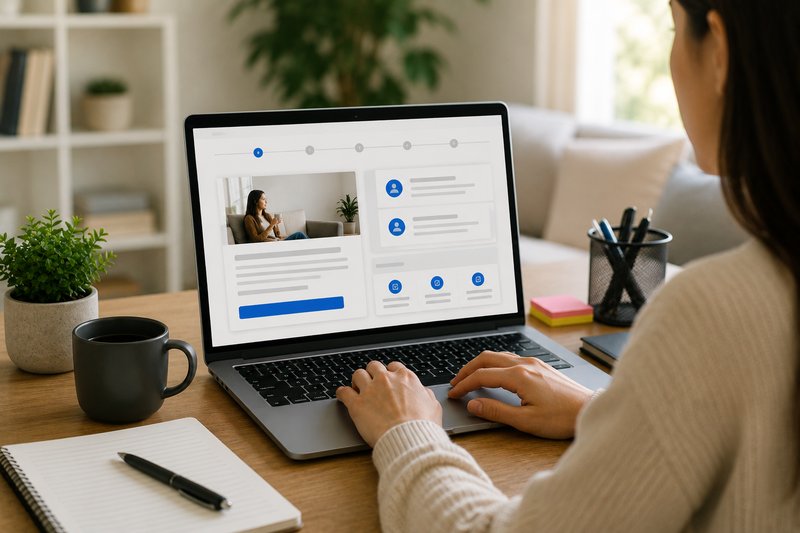
Automation is one of the biggest advantages of sales funnel tools online. Whether you choose to use ClickFunnels or Go High Level, marketing platforms let you build a system that guides leads, follows up consistently, and helps convert visitors at any time, even when you’re asleep.
That’s the benefit.
The tradeoff for an inexperienced marketer is that a “hands-off ” approach, while efficient, can also make communication start to feel impersonal or disconnected from the audience if not fine-tuned to add personalization. That lack of warmth can cause leads to lose interest before they ever become customers.
This is where marketing funnel automation can be a powerful advantage when set up correctly. It allows businesses to maintain consistent messaging, respond to leads quickly, and move people through the buying process without delay. When it is paired with thoughtful personalization, it does more than save time. It helps create a smoother, more reliable experience for potential customers, often leading to higher engagement and stronger conversion rates because visitors feel like the communication speaks directly to them.
The Impact of Personalization
Think about your own experience. When you receive a generic email that starts with “Dear Subscriber” or offers something irrelevant to your needs, you likely ignore the email or unsubscribe entirely. However, when a message speaks directly to your situation, speaks to your problems, or feels like it was written by a real person, you’re far more likely to engage.
That’s the kind of experience your audience wants, too. Your leads are bombarded with marketing messages every day. The ones they respond to are the ones that feel authentic, timely, and aligned with solving their problems. A funnel that delivers that level of personalization stands out, even when it’s automated.
1. Use Segmentation to Speak Directly to Your Audience
One of the simplest yet most powerful ways to personalize your funnel is by segmenting your audience. Instead of treating every lead the same, you can group them based on interests, behaviors, or where they are in their buyer’s journey. That way, your messaging becomes more targeted and relevant.
For example, if someone signs up for a webinar on beginner-level digital marketing, you know they’re likely new to the space. Your follow-up emails should reflect that, using simple explanations, introductory offers, and encouraging language. On the flip side, if a lead downloads an advanced strategy guide, your content can be more in-depth, addressing their need for sophisticated tools or analytics.
Segmentation helps you avoid the one-size-fits-all trap. You’re no longer sending blanket messages. You’re starting a conversation that aligns with where your lead is within your customer journey and leads them to the next step.
2. Use Dynamic Content to Tailor Every Experience
Another way to make your funnel feel more personal is to use dynamic content. This means changing specific elements, like text, images, or calls to action, based on user data. Most modern funnel platforms and email marketing tools allow you to insert dynamic variables like a lead’s name, company, or previous behavior directly into your content. If you have the information, it’s a powerful layer to communication.
Let’s say you’re sending an email to someone who downloaded your free pricing calculator. Instead of a generic subject line, you might say, “Hey Jamie, here’s how to make that calculator work for your business.” In the message, you reference their interest and suggest the next step, such as watching a demo or booking a call. Someone will pay attention when their name is mentioned in a subject line vs. “Dear friend.”
You can also use dynamic content on landing pages. If someone clicks from an ad about time management, your page can greet them with a headline like “Here’s How to Grow Your Business and Take Back Your Time.” That immediate relevance makes people feel like you understand them and quickly builds trust. There is continuity from the ad to the landing page so you don’t break trust and continue to move them along to the next phase of your offer.
3. Showcase Your Voice and Personality
While automation handles the mechanics, your voice brings the funnel to life. You don’t need to write every email like a sales brochure. Instead, talk to your leads the way you’d talk to them in person, casually and clearly.
Don’t be afraid to show some personality. Share a quick story in your welcome email, reference a recent client win, or explain why you’re passionate about what you do. These touches humanize your brand and create a sense of connection that automation alone can’t achieve.
Let’s say you’re a financial coach. You could start your onboarding sequence with a short story about the first time you got your budget under control and how it changed your life. When people see that you’ve been in their shoes, they’ll feel more comfortable trusting you to help them through the same journey.
4. Add Video to Create a Connection
If you want to build deeper engagement quickly, consider adding video to your funnel. Whether it’s a welcome message, a walkthrough of your offer, or a thank-you video after sign-up, seeing your face and hearing your voice makes a huge impact.
You don’t need a fancy setup to do this. A simple video recorded on your phone can work wonders, as long as you speak clearly and sincerely. Upload your video to a private YouTube link or embed it on your thank-you page. You can also include it in your email follow-ups with a simple call to action like “Watch this quick message from me.”
Video gives your funnel a heartbeat. It shows that there’s a real person behind the automation, and that personal presence is often what tips the scales from interest to commitment.
5. Use Behavior Triggers to Respond Like a Human Would
One of the most powerful aspects of funnel software is the ability to trigger actions based on user behavior. You can set up automations that mirror how you’d follow up if you were interacting in real life. For example:
- If someone opens your email but doesn’t click, follow up with a shorter message that restates the value.
- If someone clicks on your pricing page but doesn’t buy, send a message that answers common objections or includes a testimonial.
- If someone signs up for a webinar but doesn’t attend, offer a replay or an exclusive bonus to re-engage them.
These behavior-based triggers make your funnel feel responsive and intentional. Instead of blasting everyone with the same messages, you’re reacting based on their signals, just like you would in a real conversation.
And don’t forget to follow up after the sale, either. Not doing so is a missed opportunity to build loyalty, generate referrals, and drive repeat business. You can use personalization to deepen the relationship even after the transaction.
Start with a warm thank-you message that acknowledges the purchase. Include tips for getting started, links to additional resources, or an invitation to connect in a private community. A few days later, follow up to check in and offer help if needed. These small gestures show that you care about your customers’ success, not just their payment.
Automation Doesn’t Mean Impersonal
You might have worried that automating your funnel would make your business feel cold or mechanical. But the truth is, automation is only a tool, and how you use it determines the outcome. When you combine automation with genuine connection, clear storytelling, and thoughtful personalization, your funnel is likely to convert at a higher rate.
Your leads don’t want perfection. They want to feel like someone understands them and is ready to help them succeed. You can deliver that feeling at scale by infusing your automated funnel with a personal touch. That’s the key to stronger relationships and lasting growth.
Getting started is easy, especially on platforms like ClickFunnels that have these features built in as an all-in-one package.